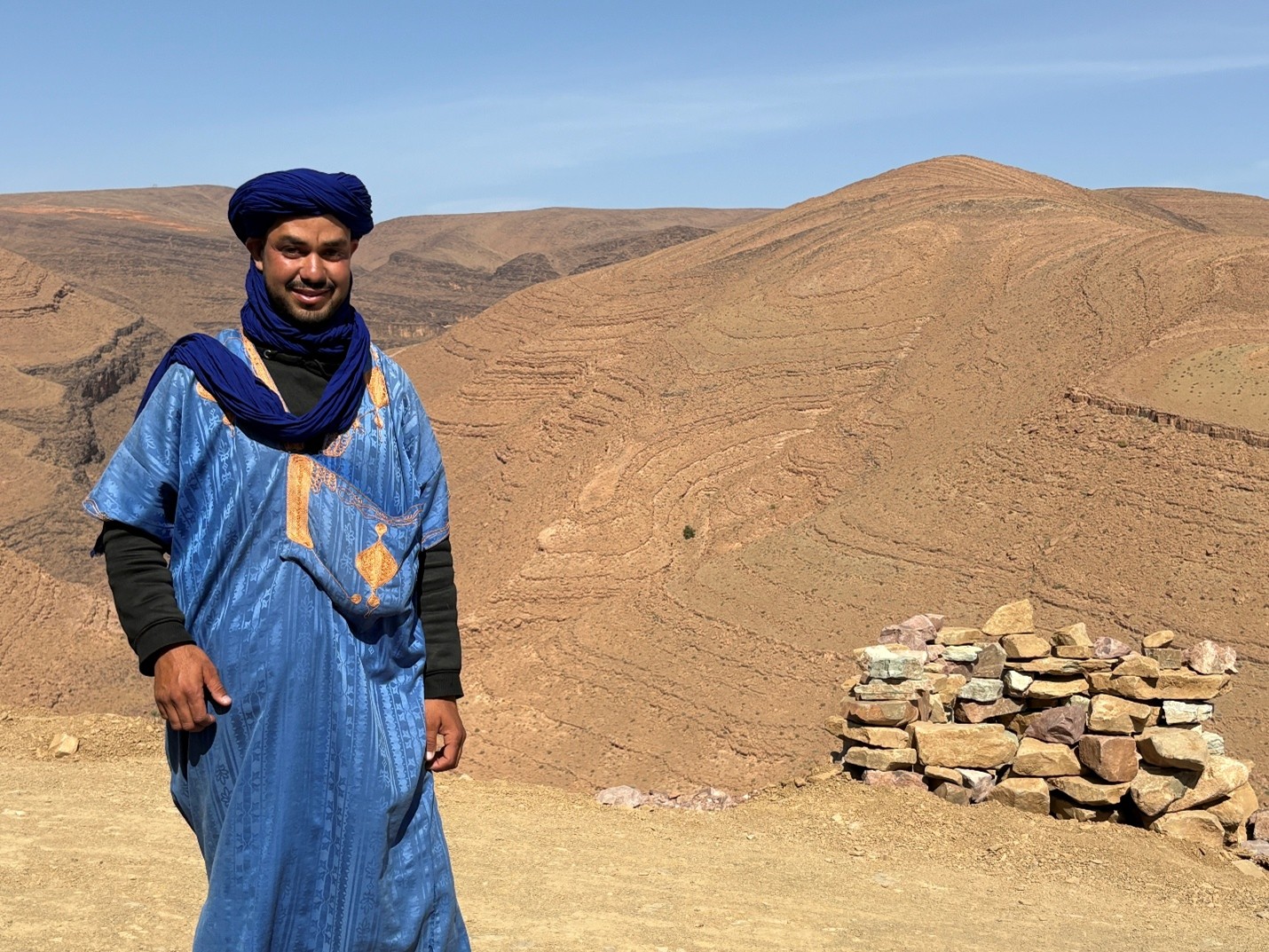
Against the backdrop of Morocco’s thriving oases and resilient drylands, delegations from Mali, Niger, and Tunisia gathered for a study tour dedicated to restoring degraded lands and building resilient livelihoods. Hosted by Morocco in summer 2025, the tour offered participants firsthand insights into successful landscape management practices — from innovative water conservation to community-driven restoration, sustainable fisheries, and the promotion of territorial products. Participants returned with inspiring new ideas for sustainable development across some of Africa’s most vulnerable ecosystems.
“The study tour promotes South-South cooperation, enabling countries facing shared challenges — land degradation, water scarcity, and fragile rural economies — to exchange good practices and success stories,” said Taoufiq Bennouna, Lead Environmental Specialist, World Bank.
The study tour was organized as part of the regional technical assistance on Sustainable and Integrated Management of Historic Oasis Landscapes, financed by PROGREEN, a multi-donor trust fund housed at the World Bank that supports countries in strengthening the management of forests, landscapes, and other natural ecosystems.
The tour centered on how Morocco’s landmark strategies for agriculture and for the Blue Economy have become models for linking land restoration and fisheries with productive and inclusive development.
"Morocco’s experience demonstrated how structured partnerships, investment in quality standards, and market-driven planning can transform local goods into engines of rural development and resilience. Two things that stood out is Morocco’s efforts to create employment for young people and to help fishers boost revenues using an information system,” said Madou Diallo, National Program Coordinator for the World Bank-funded Mali Landscape Restoration Project.

Participants toured historic oases where Morocco has pioneered approaches to sustainable agriculture, water-saving irrigation, and land restoration. They witnessed how oases are vital lifelines for dryland communities and how traditional, climate-smart techniques have supported water access, food security, income generation, biodiversity, and cultural heritage — all increasingly at risk from climate change and desertification.
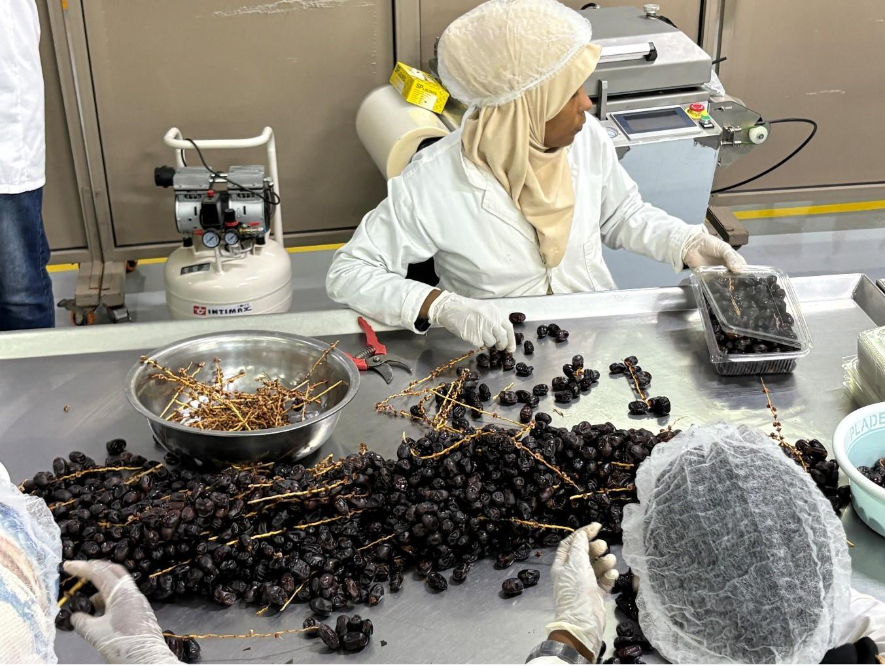
“We noticed a strong involvement of women at the cooperative level and the creation of women’s cooperatives that process and market products. We also saw strong state support in providing equipment, packaging, and local markets for sales. What we learned will allow us to better structure our activities in Niger,” said Colonel Hamsatou Amadou Harouna, Director of Green Economy Promotion and Value Chain Development, Niger.
The concept of village de pêche was another eye-opener: a community-centered infrastructure that organizes artisanal fishers, engages them in managing marine resources, and links fisheries management with broader oasis and dryland restoration.
“We saw many best practices in fisheries and other innovative blue economy activities. One highlight was the visit to a seawater desalination plant. While Tunisia has similar initiatives, Morocco stands out because the plant not only produces drinking water but also supplies farmers with irrigation water. Another strength is Morocco’s strong monitoring and evaluation of programs, the deployment of skilled human resources, and the investments in training to achieve results,” Amani Touil, Director of Agricultural Development and Extension, Ministry of Agriculture, Tunisia
Discussions with the National Agency for the Development of Oasis Zones (ANDZOA) in Errachidia further highlighted its crucial role in coordinating sustainable development across fragile ecosystems. One highlight was Morocco’s innovative model of Productive Alliances, which has successfully linked small producers with markets to increase the value of territorial products. Through these alliances, cooperatives, farmers, private actors, and public institutions collaborate to improve production quality and expand market access. Territorial products such as argan oil, artisanal goods, dates, and medicinal plants, once limited to local markets, are now featured in international trade fairs and exported abroad.
“What we have seen is very edifying. Productive Alliances are a pillar of success and prove that social organization is the foundation for any activity if we want it to be sustainable but also profitable. This new concept could be a lever for development in Niger, and we will surely explore how to apply it to our activities,” said Kader Mohamed, Coordinator of the World Bank-funded Niger Integrated Landscape Management Project.
The study tour concluded with participation in the International Conference on Oases, held in Ouarzazate. The event gathered national and international experts to discuss how to protect and sustainably manage oasis and dryland ecosystems under growing climate pressures. The delegations enriched the dialogue with their perspectives, while drawing valuable lessons from the different practices.
The study tour strengthened regional dialogue on integrated land, water, and ecosystem management, while also highlighting successful practices that blend agriculture, fisheries, and restoration approaches. Above all, it reinforced a shared commitment to South-South collaboration in building climate resilience, food security, and sustainable livelihoods.
By connecting success stories across farming, fishing, and land restoration, the Morocco study tour planted the seeds for new collaborations and a stronger regional movement to protect the drylands and waterways that sustain millions of lives.